Blog

  • Culture of India

    Culture of India

    India has rich and centuries old culture. The country has been an invader’s paradise and has seen many rulers from time to time such as Mughals, British, Portuguese, Turks, Afghans, Persians, Greeks, Chinese nomads and Arabs.

    Along with this, various religions also flourished and took birth in Indian subcontinent such as Buddhism, Jainism, Hinduism, Islam, Christianity, Sikhism, etc. All these factors influenced the culture of India to a large extent.

    India has people belonging to various origins such as Dravidians, the Aryans, the Mongols, the Semites along with various other tribes. Indian culture is a result of diversity in almost each and every aspect of the country.

    Varied geographical conditions ranging from South to North, from East to West, from snow clad mountains to golden beaches, from rivers to deserts also impact a culture and living style of the people to a large extent.

    Culture of India is a beautiful amalgamation of varied factors coming together and creating vibrant and colourful practices and life.

    Culture of India (Facts, Traditions & Customs)
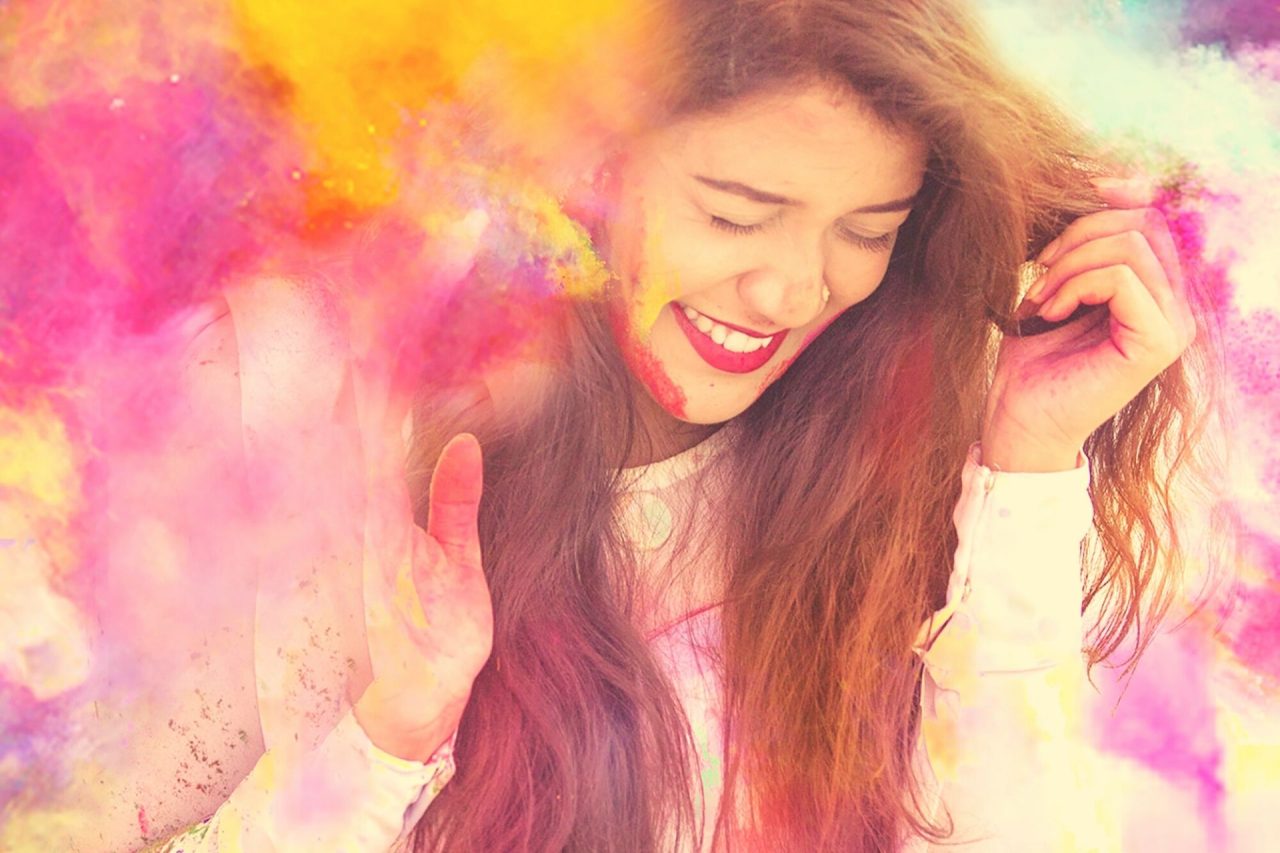
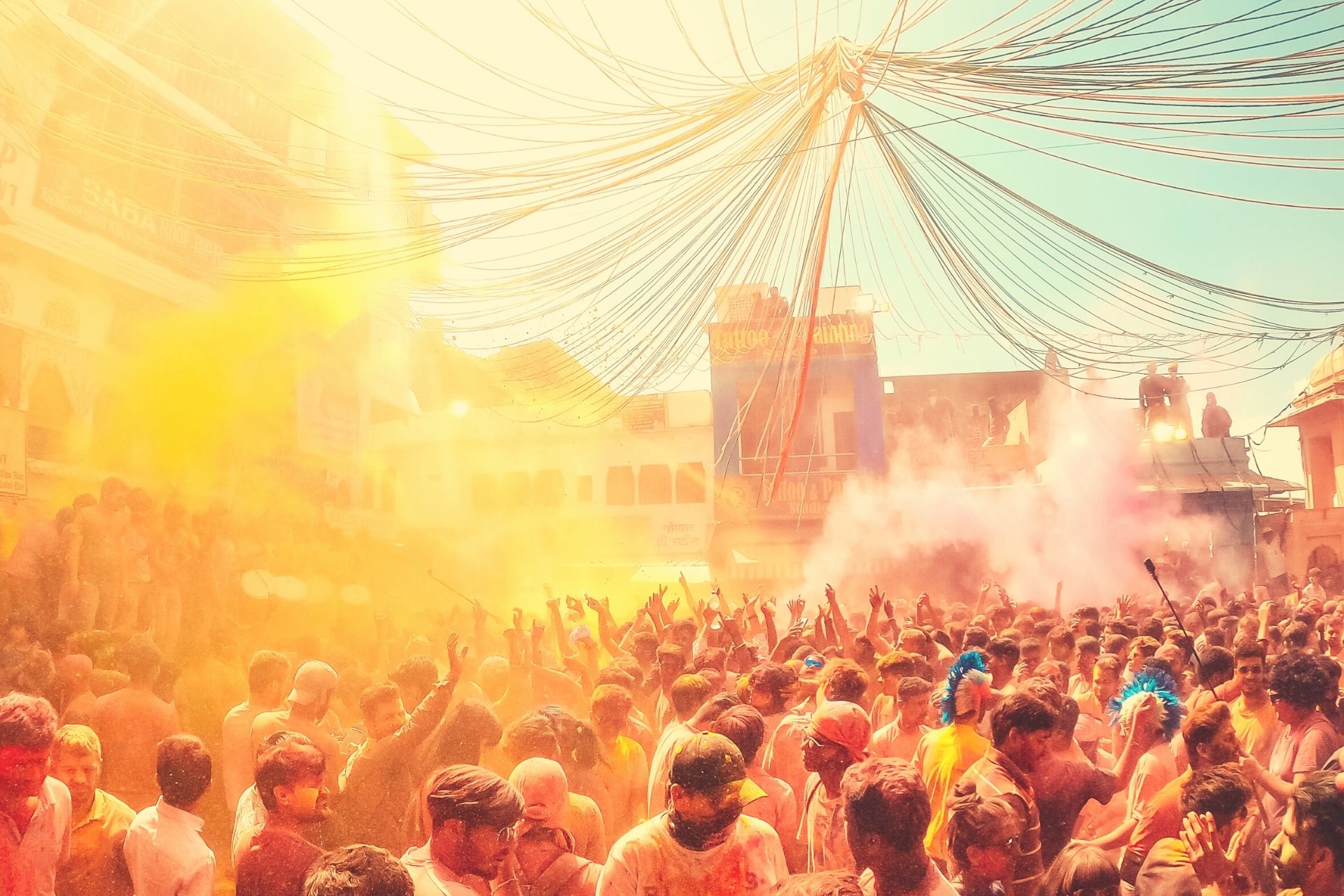
    India Culture, Facts, Traditions & Customs
    India Culture, Facts, Traditions & Customs (courtesy: bulbulahmed)

    One of the oldest cultures in the world, Indian culture dates back to India has the history which dates back to 2500 B.C. One of the greatest and oldest civilizations- the Indus Valley Civilization also presents the richness and complexity of the Indian culture even back then.

    India has gained immense popularity amongst tourists because of its culture along with other factors. International tourists from all over the world as well as domestic tourists are increasingly being captivated with the sheer charm and variety of Indian culture.

    Many tourists visit India to just experience its unique and lively culture which differs from places to place. Although the every state of the country has rich culture and tradition to offer tourists with, few of the states which are centre for cultural tourism are Rajasthan, Tamil Nadu, Uttar Pradesh and Uttaranchal.

    Rajasthan with its centuries old forts and places promises a royal experience to all its tourists. Its rich cultural heritage can be seen from not just magnificent forts and palaces but also from folk songs and music along with sumptuous cuisines offering best of both vegetarian and non-vegetarians delicacies.

    Festivals such as the camel festival, Marwar festival and Pushkar festival are not unknown to many and make for an interesting visit.

    The state of Tamil Nadu is also an epicentre for cultural tourism in India. One of the states in southern part of India, Tamil Nadu is a beautiful representation of immensely rich Dravidian culture. Tamil Nadu has umpteen numbers of famous temples presenting mesmerising architecture and grand history of the country.

    The state of Uttar Pradesh with cities like Varanasi, Allahabad, Vrindaban, and Ayodhya along with the Taj Mahal in Agra city which is one of the Seven Wonders of the World, UP promises an enchanting cultural experience for all its tourists.

    These places not only offer a glimpse of ancient India but also an admirable combination of age old traditions and practices with modernization and globalised way of living.

    Located amidst best of natural settings with Himalayan Mountains and dense flora and exotic fauna, the state of Uttaranchal is also one of the places one can visit to get a feel of Indian history and culture. Kumaon and Garhwal regions of the state have many famous temples which are frequented by not just religious tourists but by all kinds of tourists.

    Art forms of the country also offer a glimpse into its varied and vivacious culture. Bharatanatyam, Kathakali, Kathak, Manipuri, Odissi, Kuchipudi and Mohiniattam are few of the classical dances.

    Each form has a history of its own and represents the people of its origin place. Most of the dance forms such as Bharatanatyam, Odissi and Mohiniyattam were mainly temple dances while dances like Kathakali represents tales of truth triumph of false.

    Various mythological tales and religious stories are told through dances like Kathak and Kuchipudi. These classical dances are accompanied by music, mime and dances. There are various traditional musical instruments such as veena, sitar, etc. which constitute important part of Indian music.

    If you look at the art and crafts of the country, they all tell unique yet interesting tales of ancient India. Age old monuments and buildings along with sculptures depict the Indian culture in an artistic way.

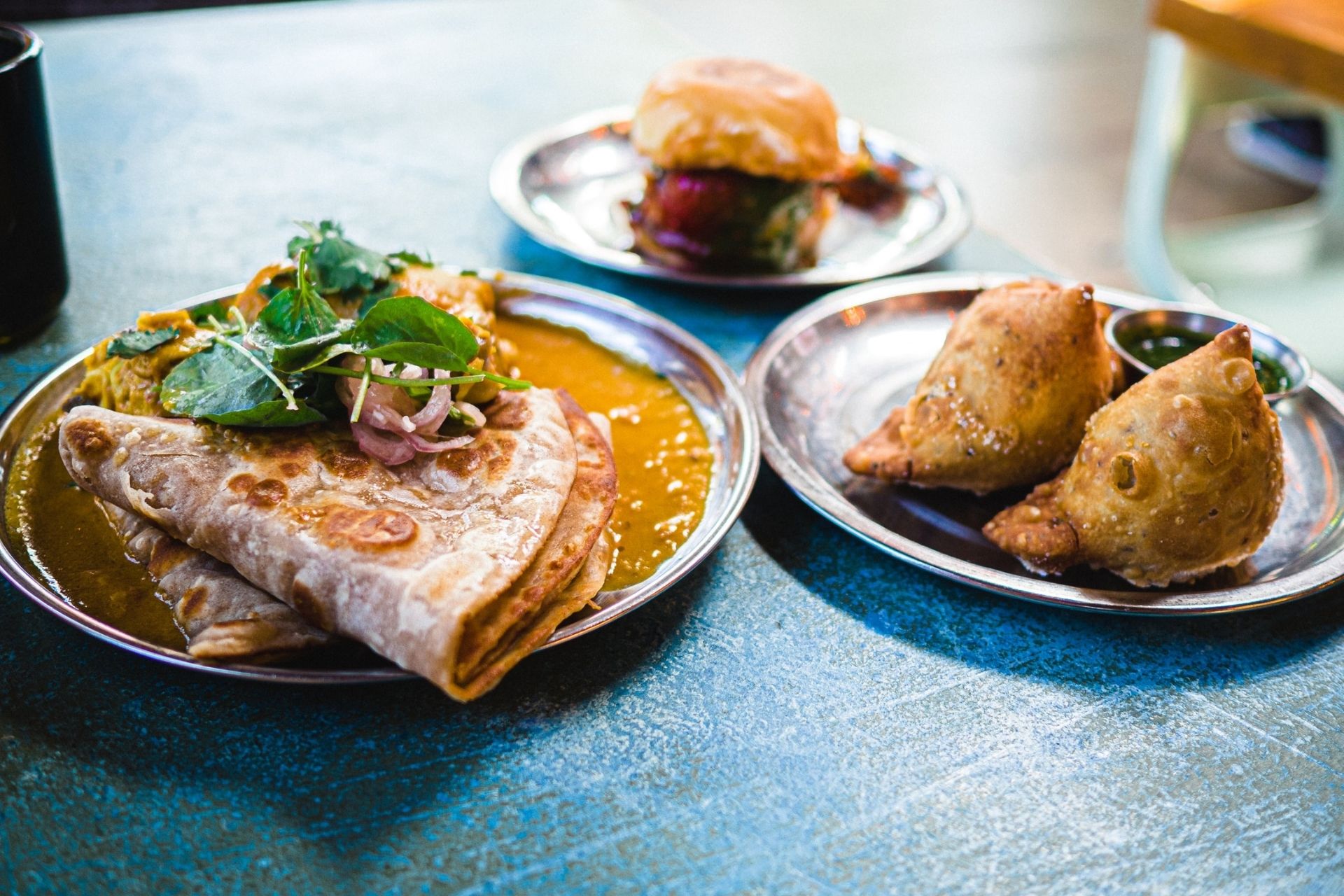
    Not just dance or music but also cuisine represents country ages old cultures in one of the best ways possible. With wide range of favours, different patterns of cooking and varying usage of ingredients and spices, India has amazing options of cuisines which also has rich history as well mouth-watering dishes.

    These cuisines such as Kashmiri cuisine, Mughlai cuisine, Awadhi cuisine, Bengali cuisine, Rajasthani cuisine, Gujarati cuisine, Assamese style, etc. are influenced by various factors. Some of these are climatic conditions, availability of ingredients, history of the place, religion of the people and many more.
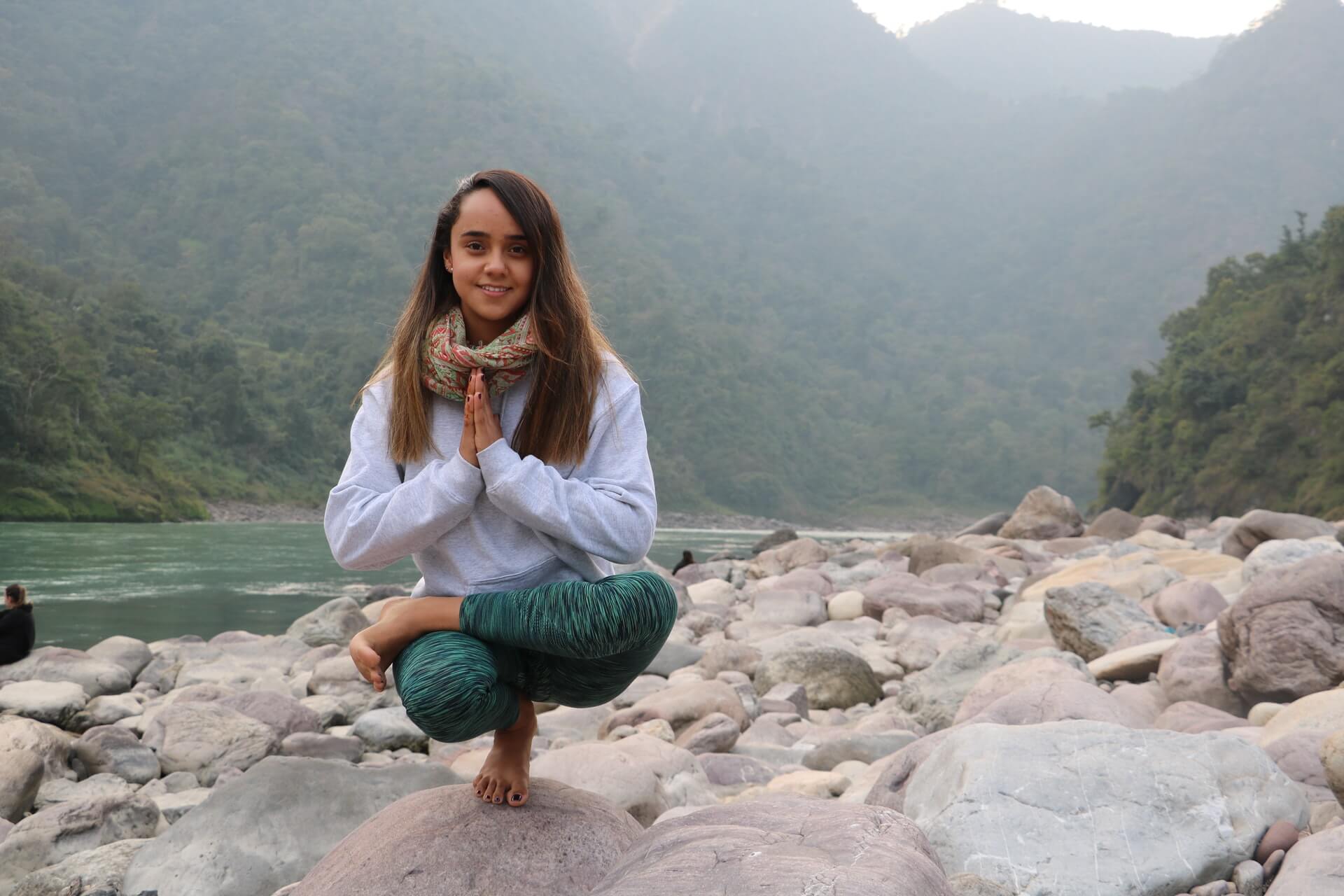
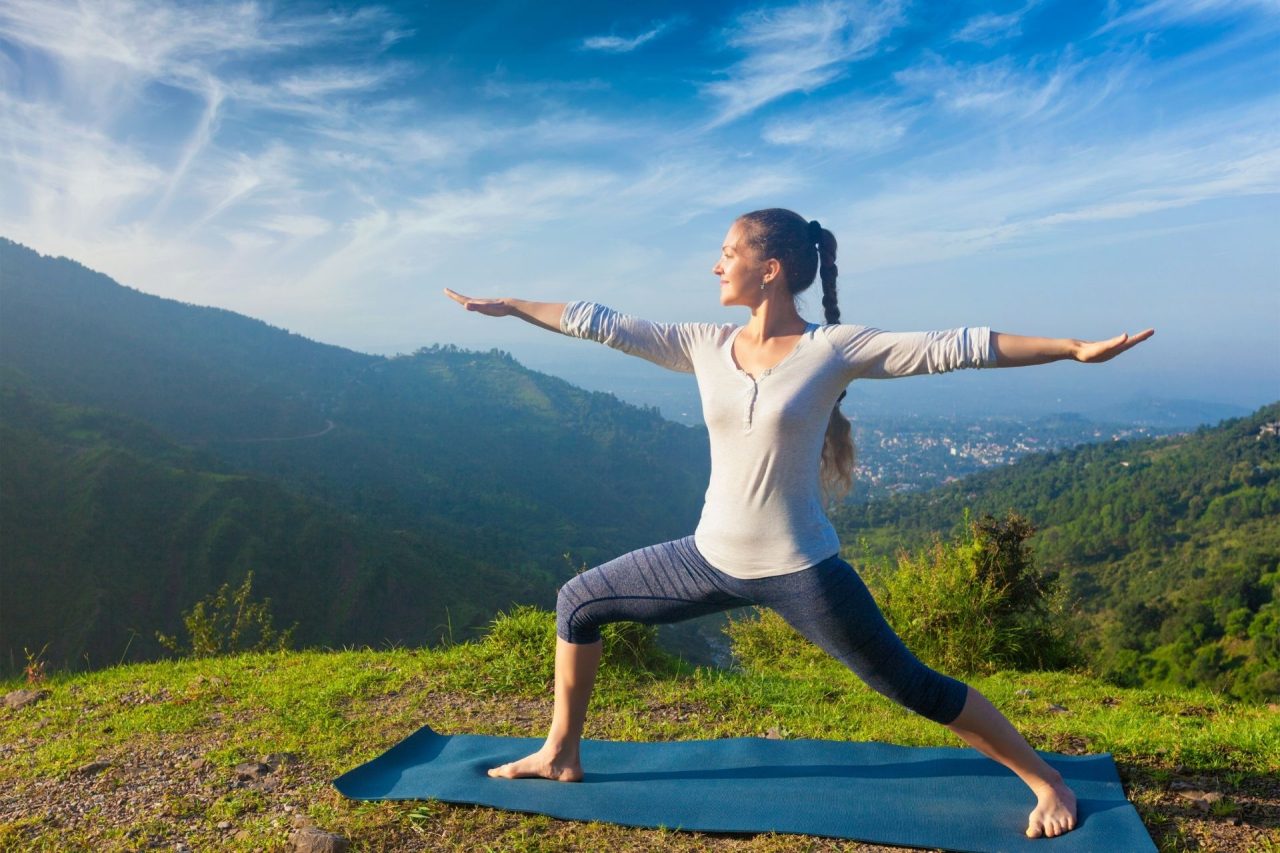
  • Yoga in India

    Yoga in India

    Any mention of India is incomplete without discussing Yoga, a centuries old traditional way to heal mind and soul along with body. According to some, the history of India dates back to 200 BC as there literature discussing the same.

    However, many also claim that the science of Yoga was invented during the Vedic times (2000-3000 B.C.). Yoga in India boasts of rich history and centuries’ old tradition and practices which are still performed with the aim of curing body and relieving mind and soul of worries and diseases.

    Yoga in India (History, Best Yoga Retreats, Holidays & Learn)

    The word “yoga” literally means “union” and has been derived from the language Sanskrit word “yog”. The term yoga symbolises the unity of body, mind and soul in a spiritual sense.

    Here the importance is given to the concept of uniting individual soul with the universal soul which is divine. This is done through rigorous mental and physical efforts. A perfect coordination between body, soul and mind is brought which leads to state of tranquillity.

    Yoga empowers an individual to organize and intact one’s mind and control and work as per a person’s will and decision. It deals with both physical as well as mental health.

    A needed balance has been maintained between endocrine and nervous system of our body, mind and soul in Yoga. A soothing harmony between the three is brought with the help of the science of Yoga. This eventually leads to serene symphony of life.

    Not just in India which is the birthplace of this art of life, yoga has been acclaimed all over the world because of its exceptionally merits. In India, there are many centres and places authentic and best of Yoga services assisting tourists in every way possible.

    Basic elements of Yoga

    Yoga in India (History, Best Yoga Retreats, Holidays & Learn)
    Yoga in India (History, Best Yoga Retreats, Holidays & Learn)

    There various important aspects which are taken care in yoga. Ashtanga Yoga which is one of the most common forms of Yoga is consisted of eight basic features. These are Yama, Niyama, Asana, Pranayama, Pratyahara, dharana, dhyana and samadhi.

    All these eight elements are equally important and together bring in a state of complete wellness. Yama emphasises on truth, self-control, nonviolence, control against vices such as stealing, greed, etc. which brings in a positive way of leading life.

    Niyama deals with human values such as contentment, self-study, penance and cleanliness and leads to complete surrender to God.

    Asanas (exercises) include varied kinds of yogic postures. These postures are performed in order to keep one’s body fit and flexible and away from illnesses. Hatha (physical) yoga is one of the most popular forms of yoga not only in India but all around the world.

    This requires proper concentration so as to maintain the balance of flexibility and strength. Asanas which include exercise of all the body parts not just help in physical well-being but also helps in proper functioning of various internal organs, glands and nerves as well.

    Pranayama deals with the proper management of the breath. This helps in upgrading our consciousness of the universe along with our mental and bodily strength.

    Pratyahara when performed leads to composure of mind which leads alienating the individual from five senses.

    The last two elements Dharana and Dhyana endorse concentration and meditation. This leads to complete interaction as well as connection between the subject and object where the individual who is mediating is the subject and is not separated from his/her object of meditation.

    The art of meditation can cure problems such as depression, schizophrenia, irrational fears, etc. Mediation has further various kinds such as chakra, yantra and mantra. All these work together to calm the mind and soul along with ultimate empowering of the same.

    Samadhi which is the final features symbolises ultimate state of oneness with universal soul that is God.

    Rishikesh in India – The Yoga Capital of the World

    One of holiest and spiritual destination of India, Rishikesh is rightly called at the yoga capital of the country because of the umpteen numbers of yoga centres and the naturals setting of the place. Located in the Garhwal region in the state of Uttaranchal on the banks of Holy River Ganga, Rishikesh presents a perfect natural setting to experience the divine art of Yoga.

    Comprising of three areas – Rishikesh, Muni-ki-Reti and Swargashram, Rishikesh presents tourists with various kinds of on meditation, yoga along with on Hinduism and its way of life. There are many internationally acclaimed centres offering tourists with bets of the yoga experience and services to help them in complete healing of mind and soul.

    Some of the popular yoga ashrams in Rishikesh are Parmarth Niketan Ashram, Sivananda Ashram, Yoga Study Center (for Hatha Yoga), Yoga Niketan, Sri Ved Niketan, Dayananda Vedanta Ashram, Brahma Niwas, Sacha Vedic Sansthan, etc.

    Patanjali Yogpeeth is a trust is also located here which organises various camps of yoga and has been popular all over the world. In Rishikesh, an annual International Yoga Festival is held during the month of February every year. This organised by the UP Tourism.

    Along with this, city of Rishikesh with rich and exotic natural setting is also suitable for various kinds of adventure sports. With options such as rafting, rock climbing, kayaking, mountaineering and trekking, the place is nothing less than a paradise for those seeking some excitement along with relaxation through meditation and yoga.

  • Indian Cuisine

    Indian Cuisine

    Food tourism in India is rapidly gaining more and more popularity all around the world. The country boasts of wide range of tastes and flavours. With differences in geography and culture come the differences in cuisines.

    Indian culture gives huge importance to being a good host. Be it marriage, meeting, birthday or any other kinds of functions, dining and cuisine is one of the important part of Indian culture and lifestyle and varied from one culture to another.

    The variety of cuisines mostly depends on local climatic conditions, social conditions along with the geographical location which majorly define the food habits. Mots defining features of all kinds of Indian cuisine is extensive use of herbs and spices along with vegetables.

    The pattern of cooking and the dishes prepared also differs with various religions. India has various religious groups living in their unique ways.

    Indian Cuisine (History, Food Culture, Traditional Food Facts)

    Dishes belonging to various cuisines differ in taste, colour, texture and appearance. However, one aspect that is common to all kinds of Indian cooking is use of spices and special herbs.

    For flavours essence, nutmeg, saffron, cinnamon and cardamom are majorly used. Other spices that are used extensively in Indian cooking are red chilli powder, black pepper, turmeric, ginger powder, asafoetida, coriander, cumin seeds, black mustard seeds, etc.

    The prominent history of Indian cuisines can be traced back from Vedic Hindus who resided in the country. However, later with various invasions and races coming from different parts of the world such as Portugal, Britain, Greeks, Mughals, Portuguese, Persians, etc. the country saw impressive influence of their respective cuisine on Indian Cuisine which presented a mouth-watering and varied kinds of food habits.

    Indian cuisines can be categorized in many ways. One can divide the same based on geographical location such as Cuisine of South India, Cuisine of Eastern India and Cuisine of North India. Following are also one of the way to categories various cuisines of India.

    1. Kashmiri Cuisine

    Essentially a meat based cuisine, Kashmiri cuisine has most of its famous dishes made from lamb, goat’s meat and chicken meat. You will find use to saffron and Kashmiri chilli in the dishes which is quite specific to Kashmiri Cuisines.

    Dry fruit like walnuts, dried dates, and apricots along with cottage cheese or ‘chaman’ is also hugely used in the dishes belonging to this particular cuisine. Because of the cold climate, some specific fruits are grown in part of the country such as strawberries, plums, cherries and apples which also form important part of the meals.

    2. Punjabi Cuisine

    Quite popular not just in India but in the entire world, the Punjabi cuisine presents you with mouth-watering and rich delicacies varying from marinated meat to chicken to fish to paneer to breads such as rotis (of various kinds), naans, parathas, etc. to sumptuous list of sweets.

    It majorly includes tandoori cooking. Influence of mughals can also be seen in Punjabi cuisine such as in murgh makhani where the gravy component can be related to the Mughal style of preparation. The drink such as lassi is also very specific of Punjabi cuisine.

    3. Mughlai Cuisine

    Mughlai Cuisine is nothing less than a royal cuisine. The dishes in the Mughlai cuisines are rich and prepared with elongated methods and precision. Rich sauces, butter-based curries, ginger flavoured roast meats, and exquisite sweets define this cuisine. The cuisine offers you with amazing varieties ranging from tangy shorba to the rose petal strewn kulfi to delicately prepared meats, etc.

    4. Bengali Cuisine

    Bengalis cuisine is most popular for its sweets and fish preparations. Some of the famous sweet from this cuisine are rasgulla, gulab jamuns, cham cham, chena murki, anarkali, rajbhog, mishti dohi, etc.

    The cuisine has wide varieties of fish delicacies. The spices used in cuisine slightly differ from central part of India. Use of panch phoron which is prepared from five basic spices which include jeera, kalonji, saunf, fenugreek and mustard seeds is a speciality of Bengali food.

    4. Hyderabadi Cuisine

    Hyderabadi cuisine is not just one way of cooking. It includes both the original Andhra style of cooking and Mughlai influenced cooking style.

    Hyderabadi cuisine is known for its richness and aromas. Use of exotic spices along with ghee and dry fruits and nuts can be easily seen in Hyderabadi cuisine. The meat of lamb is widely used in non-vegetarian dishes. Hyderabadi Biryani & haleem is something which is known to everyone.

    5. Goan Cuisine

    Goan cuisine offers some unique flavours that are totally different from other Indian Cuisine. Delicacies such as the tangy pork ‘vindaloo’, spicy ‘sorpotel’ and the ever popular Goan fish curry with rice treat your palate in the best way possible.

    Fish based dishes along with coconut are quite well known. Goan meals are often accompanied by local liquor “Feni”. Coconut milk, ‘kokum’, a sour, deep red coloured fruit with sharp and sour flavour, red Goan chillies, tamarind forms important part of many Goan dishes.

    For lovers of seafood, Goan cuisine offers mouth-watering preparations of prawns, lobsters, crabs, and jumbo pomfrets. Goan sweets like bebinca, dodol, rose-a-coque, etc. are also quite famous.

    6. Rajasthani Cuisine

    Rajasthani food is something incomparable to any other cuisine. The cuisine has been greatly influenced by its geographical situation that is availability of food items in the desert region and historical background. Thus scarcity of water and war like situation has influenced the cuisine to a large extent.

    For instance, in Rajasthani cuisine, dried lentils and beans from plants like sangri, ker etc. are staples of the Rajasthani diet unlike rest of the country where wheat and rice form the major part of any meal.

    Spices like fenugreek seeds, kasuri methi (dried fenugreek leaves) and aniseed, along with asafoetida, black rock salt, ginger and ajwain are extensively used in cooking.

    7. Maharashtrian Cuisine

    Maharashtrian Cuisine also offers some exotic delicacies, both vegetarian and non-vegetarian dishes. From sweets like puran poli, ukdiche modak, shrikhand to wide varieties of meat and fish based dishes to vegetarian delicacies, the cuisines promises some relishing moments for sure.

    Think of Gujarati cuisine and images of undhiyu, traditional Gujarati khichdi, kadhi, khaman dhokla, doodh pak, etc. come to our mind. Gujarati cuisine is a delight for not just vegetarians but for all food lovers.

  • Climate of India

    The climate of India is tropical and is of various kinds differing with various geographical locations. We look at the entire continent of Asia there are eight major kinds of climatic zones.

    In India the climate can be divided into 6 different cycles which are around 2 months apart. These can be categorized as spring, summer, monsoons, early autumn, late autumn, and winter.

    However, if we broadly look, climate in India can be divided into three major kinds which are Summer, Winter and Monsoon. Duration of these seasons is not fixed and can vary from place to place.

    India has extreme of all the climates. Tourists will be amazed to see the change in climate as they travel from one corner of the county to another.

    At one end you have chilling air and snow clad mountains, another end you will experience scorching heat of Thar Desert. The climate also change depends on whether the place is by the sea side or by the mountains or amidst dense jungles.

    India like its culture and traditions, also offers varied kinds of climate. Different seasons and duration can lead to various kinds of festivals as well.

    The best time to go for an India tour can be between the months of November to around mid-February. However, there are variations in climate based on the geographical location and thus each place’s weather and climatic conditions need to be looked upon before one finalizes his/her plans of trip.

    Three major kinds of weather in India are:

    1. Summer in India

    The season of summer in the Indian subcontinent is generally between the months of April and June. The weather starts getting hot with the month of March and reaches in prime in the months of late April and May.

    June is the hottest month in most parts of India. The temperature goes even beyond 45-46 degree Celsius is some parts of Northern India. Climate in Southern part of India is comparatively cooler even in summer months. It is always advised to wear light clothing and have lots of liquid intake during summer.

    2. Monsoon in India

    Monsoon season starts slowly and steadily from the Southern part of the country and gradually reached rest of the country. It is in the month of July when the monsoon mostly starts. The amount of rainfall also differs with geographical location. However, in general, south India sees more rainfall when compared to North India.

    There are heavy rainfalls in the months from June to September along the west coast. In the eastern coast, rains are experienced during the months of mid-October and December. Monsoon winds carrying slight moisture blows from north eastern region to another part.

    From south-western part of India carry summer monsoon winds. Humid winds from the Indian Ocean reach between the months of June to September are followed by heavy rains. Summer monsoon is sometimes is also followed by heavy rainstorms that many a times lead to landslides and other calamities.

    In spite of all this, summer monsoon is welcomed because of the dependence on agriculture by people for their livelihood. Also a considerable amount of electricity generation depends on rains.

    3. Winter in India

    After the monsoon, the season of winter starts in India. It is during the months of November to March. In northern part of country, one can see snow clad mountains and experience snowfall and in southern part one can experience moderate and refreshing climate. The climate is mostly pleasant during this period. This is one of the best time to visit India and for domestic tourists to travel to various regions of the country.

    Apart from areas with snowfall, the temperature extremely cold in areas such as Delhi and other states located in the northern region. The month of January is the coldest of the season in most part of the country. In some parts of the country temperature drops down to even 6-7 degree Celsius. And in hilly region, it comes down to even below zero degree Celsius.

    This is the most pleasant time of the year and attracts hordes of tourists during this time. Not just tourists, various kinds of migratory birds also visit the country during this time adding on to its already rich fauna. Visiting bird sanctuaries and national parks can be a good idea during this time.

  • Indian Art

    Indian Art

    India, an amalgamation of simplicity and serenity with the complexity and variety is best seen through its varied forms of arts and crafts.

    India’s vast cultural diversity and ethnic differences along with varied kinds of geographical conditions affecting living patterns of the people have resulted in each place having its own unique form of arts.

    These unique styles of arts and crafts of India depict various forms of Indian heritage and its different history and moods. The designs and motifs used in the Indian art symbolizes different periods in history as well culture and tradition of that time.

    However, with passage of time new designs and motifs of arts have come up which beautifully showcase the refined styles without losing touch with authentic and age old presentation.

    Recent Indian arts forms represent a perfect blend of trend with tradition. India arts and crafts can be seen in each and every aspect of Indian life. Some of the prominent arts of India are:

    Painting in India

    Earliest of Indian paintings can be traced back to prehistoric times in the form rock paintings. Some of the petroglyphs that have found in places like Bhimbetka can be traced back to 5500 BC and later. Painting doorways and indoor rooms were also common in ancient India.

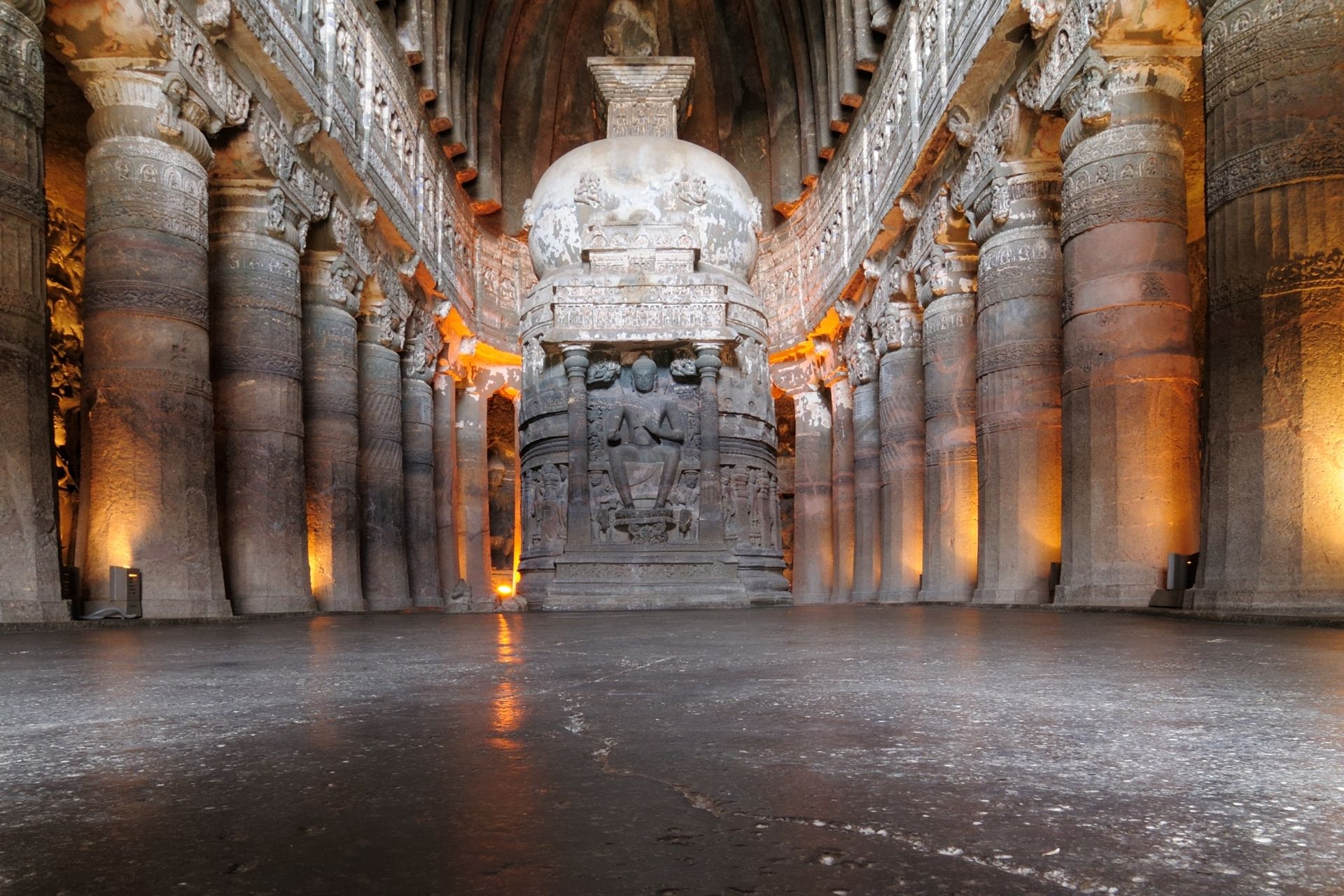
    Indian paintings captivate tourists with intricate designs and unique styles. These are of various kinds such as cave paintings of Ajanta, Bagh, Ellora and Sittanavasal, temple paintings, etc.

    Some of the popular genres of Indian paintings are Madhubani painting, Rajput painting, Tanjore painting and Mughal paintings. Some of the well-known painting school are Rajput, Deccan, Kangra and Moghul.

    Stone Work and Sculptures in India

    India has richest and one of the oldest of stone-carving traditions in the world. These can be traced back to even 7th century B.C. The strikingly intricate stone carvings can be seen in temples depicting various mythological stories.

    Temples of Puri, Konark, Khajuraho, Kailash Temple, the Shore Temple at Mahabalipuram, etc. makes for an amazing visit not just because of their religious importance but also for the captivating stone carvings.

    The state of Rajasthan because of the presence of various kinds of rocks such as granites, marbles, quartzite, slates and other metamorphic rocks is one of the most sought after place for stone carvers.

    Some of the best stone carvings can be seen in temples of Bharatpur, Baroli, Ramgarh, Nagda, Ajmer, Chittor, Mandore, Jaisalmer, Bikaner, and Udaipur. Jali (latticework) carvings here along with temple carvings are also worth noticing.

    The history of sculptures in India can be traced back to the Indus Valley civilization. Sculptures are another form of visual arts that attract many tourist and promises amazing sight. Deccan temples of Kanchipuram, Madurai, Rameswaram, the Sun temple of Orissa and the Khajuraho temple in the Madhya Pradesh, etc. are some of the places with worth noticing sculptures.

    Sculptures at Sanchi Stupa, Amaravati and Nagarjunakonda also amaze tourists with their sheer excellence.

    Pottery Art in India

    The art of pottery has been in India since the beginning of civilization. Their traces can be seen even in the Harappan Age. Generally, the pottery is done from a single mould and mostly it is hand-molded. However, traces show that pottery was done both ways- handmade and wheel-thrown.

    This art has been quite respect and admired even in ancient Indian. This can be seen from the fact that potters had important position during Harappa and Mohenjo Daro age as well. The two main kinds of Indian pottery are Terracotta and blue gaze. Along with artistic, they also have religious significance as well.

    Carpets Art in India

    There are varied kinds of carpets as well in India representing various colours of different cultures. Indian carpets cater to wide range of tastes, budgets and preferences.

    hese ranges vary from wool to silk carpets to cotton to those made up of several vegetable fibres. The motifs used on these carpets are also of various kinds which have influenced by cultures such as Persian, Afghanistan, Turkey, China, Morocco and France.

    Wooden Art in India

    One of the famous wooden art of India can be seen in the state of Jammu and Kashmir where one can find intricately designed furniture made from the walnut tree which is quite rare and popular amongst tourists. The state of Rajasthan also has a unique pattern of wood carving. Deities carved on rosewood and sandalwood from Rajasthan are quite popular as well.

    In Madhya Pradesh, craftsman use a variety of wood like shisham, teak, dhudi, sal and kikar for making various items of daily as well as exquisite usage. Madhya Pradesh is also famous for various kinds of painted and lacquered wood product such as toys, boxes, bedposts, cradles posts, flower vases etc. can also be found in the state.

    For wood lacquering, places like Gwalior, Sheopur-Kalan, Rewa and Budni are quite popular. Vine-leaf patterns of Saharanpur on Sheesham wood are also well known. Wood work on ebony or black sheesham inlaid with brass wire is something you will get in Manipur and is worth taking home.

    Gems and Jewellery in India

    Jewellery is an integral part of Indian culture, irrespective of the geographical location. There are various kinds of jewellery serving various purposes ranging from religious to purely aesthetic, from daily usage to ceremonial purposes, etc. not just for humans, in India the art of jewellery making is used for Gods and Goddess, ceremonial elephants and horses as well. These are made up from various kinds of gems, gold, scented sandalwood beads, multicolored silk thread, etc.

  • Ayurveda in India (Ayurveda Diet, Remedies, Massage, Medicines & Treatment)

    Ayurveda in India (Ayurveda Diet, Remedies, Massage, Medicines & Treatment)

    India attracts hordes of tourists because of its natural charm, cultural uniqueness and their variety along with exceptional historical background and best of climates.

    But these are not just the aspects which attract tourists from all over the world to India, Ayurveda is also one of the major attracting factors.

    Not just foreign tourists, Ayurvedic art Indian culture attracts huge number of domestic tourists as well.

    Ayurveda in India (Ayurveda Diet, Remedies, Massage, Medicines & Treatment)

    A Sanskrit word, Ayurveda has been derived from two words-“ayur” which means life and “veda” meaning knowledge. As a whole, it means the science of life.

    Ayurveda is not a medical system unlike how many people perceive it to be. It, as whole, is a way of life. It encompasses physical as well as spiritual health. Ayurveda is a combination of two- the laws of nature and the Science of Life.

    According to the laws of nature which take care of the medicinal part, life is a result of combination of senses, mind, body and soul. And according to the Science of Life which deals with the structural aspect is a combination of five elements- prithvi or earth, apa or water, tejas or fire, vayu or air and akash or space..

    For instance, the same has been said in Charaka Samhita, Sutrasthana, 1.42-43- “”Life is the combination of body, senses, mind and reincarnating soul. Ayurveda is the most sacred science of life, beneficial to humans both in this world and the world beyond.”

    With a history that can be traced back to more than 5000 years, Ayurveda is one of the most ancient ways presenting an alternative way of treating soul and body. There are many philosophical texts which are apparently one of the oldest books talking about ayurveda. Along with the Rig Veda, the Sutra Sthana of Charaka Samhita is a highly referred ayurvedic text.

    The golden period for Ayurveda was during 500 AD to 1900 AD. During this period, sixteen of the major Nighantus or supplementary texts on Ayurveda such as Dhanvantari Bhavaprakasha, Raja and Shaligram, etc. were written.

    In these texts many new drugs have been encompassed and detailed expansions of applications along with identification of new substitution for old drugs. Almost 1814 varieties of plants have been discussed in these texts which clearly showcase the richness of the system and its efficiency.

    According to Ayurveda, bodies are of seven types and based on that the way to deal with them also differs. Some of these are mono-types (vata, pitta or kapha predominant), dual types (vata-pitta, pitta-kapha or, kapha-vata) and equal types, (vata, pitta and kapha in equal proportions). According to it, all body types are mix of these three doshas in a unique way.

    Understanding these basics about individuals is important in Ayurveda to provide a wholesome treatment as according to it, the problem or any kind of illness occurs due to the imbalance of these three doshas- vata, pitta and kapha.

    One can cure all these problems by bringing a balance in lifestyle along with following nutritional guidelines and if required taking herbal ayurvedic medicine.

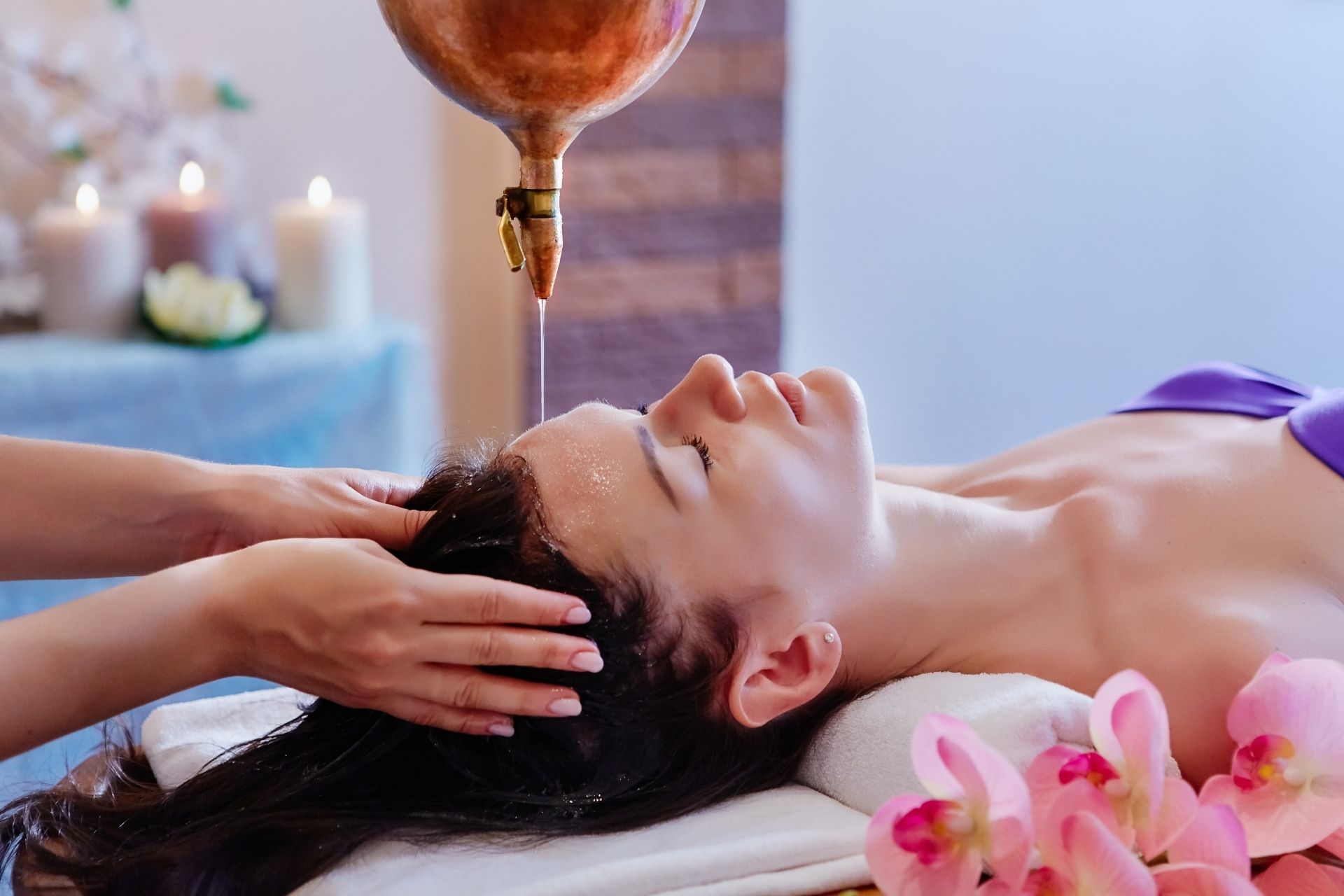
    Ayurveda generally encompasses various methods for basic healing using daily regime, yoga, aroma, meditation, gems, amulets, herbs, diet, colours, and surgery if needed. All forms of nature are used for treating patients. With Ayurveda by your side, you can refresh yourself in the best way possible.

    Ayurveda was born as an upaveda of Atharva Veda. However, there are connections with other vedas as well. For instance, Yajur Veda, speaks about how to soothe the panchamahabhutas so as to heal both the soul and body of an individual. This is closely related to ayurvedic principles and regulations.

    Even the upaveda called Dhanur Veda which deals with the martial arts talks about treatment of various sensitive points of the body. This is again similar to the Ayurvedic concept of massages and exercises.

    Ayurveda promises a complete rejuvenation of the body and in a way which is herbal and doesn’t have any harmful effects. It has been acknowledge widely all over the world because of its extensive and local and age old ways of treatment.

    The Ayurveda offers ample of options for relaxing providing a perfect break from pressure of our daily lives. India has various centres in many states offering best of ayurvedic services to their guests.

    The best of the Ayurvedic centre can be found in the state of Kerala which see enormous tourism because of Ayurveda every year.

    There are many tourists resort offering best of luxury and comfort along with a perfect touch of nature and Ayurveda to pamper their guests.

  • Mysterious India: Some have been left unanswered!

    Some aspects of India, both natural and architectural, have left everyone wondering. The country of wonders is literally mystical when it comes to few of the natural creations, monuments and stories which can not be explained in any which way.

    Some of them which cease to provide any logical reason or a practical proof so as to say, are:


    1. Chir Batti at Rann of Kutch: The Ghost light for real?

    At the Rann of Kutch, near the India-Pakistan border, it is not just vast spread of desert or the seasonal marshy land that captures your attention, but also the tales of Chir Batti.

    According to the locals, at night after 8pm, a light can be seen in colours varying from blue to red to yellow. This light/the blob of fire seems to in the shape of a pear and remains few feet above the ground.

    It is said that this ball of light can be seen moving fast and sometimes just stationary. Those who have tried to follow this lights have found themselves in the middle of the dense jungles and have lost their routes.

    2. Pulling your car up to the hill!: Magnetic Hill, Ladakh

    Imagine having your vehicle move up to the hill on its own with ignition off. Not possible? It is, very much! The magnetic hill of Ladakh awaits beautifully to surprise you with its astonishing feature.

    At a distance of 30 km from the town of Leh, the hill is located at an elevation of 14,000 feet above sea level with Sindhu River flowing on its left side. There is a board which informs people of the Magnetic hill.

    When at the hill, place your vehicle at a particular point and just switch off your vehicle’s engine. Soon you will experience a movement. Yes, your vehicle will start moving at a speed of 20km/hr! Isn’t this amazing? Experience this natural wonder at Ladakh.

    3. How, When and Where: Iron Pillar of Delhi

    One of the most mysterious architectural creations of ancient India, Iron Pillar surprises each and every one. Apart from some basic facts, this Iron pillar has still remained a mystery.

    7.3 m tall with one meter below the ground along with a diameter which is 48 centimeters at the foot and 29 cm at the top, the pillar weighs close to 6.5 tonnes. These are few of its aspects which every one is sure of!

    Standing in the middle of capital city of the country, Iron Pillar is made up of 98 per cent wrought iron and has been apparently out in the air for almost 1600 years. The fact that it is still standing strong without even rust is something which even historians, archaeologists, paleographers, and metallurgists have failed to explain.

    According to the inscriptions on the pillar, the pillar was erected as a flagstaff in honour of the Hindu deity, Vishnu, and in the memory of the Chandragupta.

    Now how was the structure moved to its present location, by exactly whom? for whom? where exactly was it before? how was it brought here? when were the inscriptions placed on the pillar? are few of the question which are yet to answered!

    4. Legally prohibited to enter after sunset!: Bhangarh

    A small town in the royal state of Rajasthan presents a mysterious image that scares some at the same time interest others! Famous for its historical ruins, lying between Delhi and Jaipur, Bhangarh has also been popular for its association with the ghosts.

    One of the known name for haunted places, the town has remained uninhabited for long. One can not enter the place after sunset and before sunrise. According to a signboard posted by ASI (Archaeological Survey of India), entering the town after sunset and before sunrise is strictly prohibited and legal actions can be taken against those breaking the rule.

  • Indian History at a Glance: Glorious Past of Vibrant India

    India, a mystical land, with rich historical background, with varied cultural and traditional practices, comprising of umpteen variations in geography and weather conditions, is one place for all.

    The subcontinent of India is a land that is unique in itself. A paradise for travellers, the country offers wide range of holidaying options to each and everyone.

    From majestic mountains to vast oceans to refreshing waterfalls to gigantic rivers to unique rock formations to incomparable architectural buildings to dense forests to exotic flora and fauna to mouth-watering and varied cuisines to captivating religious places, the country has almost everything to attract you.

    Here is a brief glance into the history of this majestic country..

    The history of India can be broadly divided into four periods. These are Pre-history, Ancient History, Medieval History, Modern History and Indian history. If look back into history the political map of ancient India is comprised of varied small and big kingdoms with fluctuating boundaries.

    The country has been ruled by various dynasties, various rules which has resulted in the mixed cultures and traditions of the country as well as carried religions flourishing here.

    Persians, Greeks, Chinese nomads, Arabs, Portuguese, Britishers and many others have invaded the country from time to time. It rich flora and fauna as well as favorable location and climatic conditions attracted everyone from around the world.

    From great civilizations starting here to umpteen numbers of invasions to the birth of religious catalysts to social reformist, the history of India has everything in it. India’s history is like a constantly progressing work with each day contributing an important chapter in it.

    The history of India can be traced back to Indus Valley civilization. The civilization of the country can be traced back to 2500 B.C. Sites like Mohenjo-Daro Harappa (in present-day Pakistan) and Lothal (near Ahmedabad) clearly showcase how the civilization flourished and was in its prime much before most of the world.

    This part of Indian history can further divided into Pre-Vedic and Vedic periods. It is the vedic period when the religion Hinduism is said to have been evolved. There are traces for the same.

    The period from 4th to 5th century A.D when the Northern India was unified and under the control of Gupta Dynasty is called as the India’s Golden Age. This was time when literature, religion and political administration reached new heights.

    In the 5th century, under the rule of King Asoka, major parts of the country were united. Under his rule, the religion of Buddhism was born and spread across various parts of India as well as of Asia.

    Chandragupta Maurya founded. Under the Mauryan rule, which was the first imperial dynasty of India, the religion of Hinduism also flourished and reached great heights.

    Around 260 BC under the Emperor Ashoka, the empire flourished like never before. From 320 AD to 480 AD was the period of Guptas. In 455 AD India was invaded by the Huns which destroyed the Guptan Empire. This further fragmented the country. However, later around 1000 Ad under the rules of Islamic rules, the country was united again.

    In India the spread of Islam took over a period of 500 years. Many invasions resulted in the same. For instance, in 10th and 11th centuries, Turks and Afghans came to India.

    However, Southern India was predominantly under the Hindu Chola and Vijayanagar Dynasties from the 11th to the 15th centuries. In 16th century descendants of Genghis Khan invaded the subcontinent. This resulted in the establishment of Mughal Dynasty which ruled the country for almost 200 years.

    Mughals greatly influenced the cultural and traditional living of the inhabitants of the country which can still be seen. In the southern part of India, many great empires came up which were independent of Northern part such Kalachuris, Chalukyas, Rashtrakutas, Yadhavas, Hoysalas, Pallavas, Pandyas and the Cheras kingdom.

    Later British came along with other rulers like Persians, Greeks, Chinese nomads, Arabs, Portuguese and many others. It was in 1800s when the Britishers started exercising their control over the local inhabitants of the Indian subcontinent.

    By 1850s, most of India’s parts were under the control of British Empire. However, in 1857, a rebellion against the East India Company which was led by mutinous Indian soldiers triggered the freedom struggle by the Indians which lasted for almost one decade.

    Transformation of the political party- Indian National Congress into a mass campaign against the British Empire by the much revered father of the nation, Mohandas K. Gandhi eventually led to the freedom of the country. Along with him, there are many leaders whose excellent leadership and planning contributed in the freedom struggle.

    The year of 1947 is the most crucial period in Indian history. On August 15, 1947, India became an independent country with Jawaharlal Nehru as its first Prime Minister. For almost two decades the country was under the rule of Congress Party which apart from brief periods in the 1970s and 1980s won continuously won elections.

    After that the country has seen many rules, many parties. The nation of India is constantly developing in all the fields, be it economic growth or political maturity or international relations or scientific developments to any other.

    A country with a history that is almost 500 years old, India makes for an interesting place not just to study but to travel well. Travelling to the country provides you with opportunity to experience its rich history in best way possible.

  • Shopping in West Bengal: Shop till you drop!

    Tired of every day’s work and pressure of daily routine? How about pampering yourself with some shopping? Think of a trip dedicated for just shopping. Even the thought of it is exciting. Isn’t it?

    For a shopping trip, what can be better than a location that can offer you with wide range of shopping options along with a setting that is perfect to spend few enjoyable days away from the usual life?

    West Bengal, one of the most culturally and ethnically diverse state of the country promises an exceptional shopping experience to every one with varying tastes and interests.

    At a location that has stretches of Himalayas in the north and Bay of Bengal in south, the state of West Bengal offers its tourists with options from paintings to furniture, from curios and carpets to best tea in the world. Shopping is in fact the best way to take home some colours from this lively and colourful state!

    The state is quite popularly known for for its clay items, shoal and conch. Along with these, fine arts such as paintings by various celebrated painters also make for an important part while shopping in West Bengal.

    The Thangka painting of West Bengal which are generally carved on a cotton fabric or a silk fabric are quite famous and worth taking a place is your shopping cart. These painting have a Buddhist connection as they were introduced for the first time in Tibet in the 7th century.

    These art works mainly use water-soluble dyes, stone colors along with the herbs and the glue solution along with pure gold dust for an exquisite look in some of the paintings.

    Items of jute, cane and bamboo will also grab your attention for sure. Baskets made from cane especially brought from North Bengal are quite popular as these are long lasting and can be used for heavy loading.

    You have varied kinds of carpets/ mats with designs mainly of animals, leaf and human motifs to buy during your trip to the state. Kalighat paintings, minakari, shell craft, stone carving, dhokra and metal cast items are also likely to make some place in your bags back home.

    Bulchari saris or Bengali silk saris will attract female travellers for sure. Its exquisite designs and intricate weaving techniques make these sarees even more special. Although produced mainly at Bulachar town of Murshidabad district of West Bengal, you can find these at all the major shopping locations in the state.

    The design of these sarees consist of large kalka motifs in the middle part with narrow attractive borders. They mostly come in colours such as white, blue, red, yellow and green colors for design and silver zari for the border.

    Kantha is a popular embroidery type of the state which mostly showcases folk motifs. Other embroidery items available in the state are Chikan work, kashida and the zari work.

    Batik, a Japanese style work that includes wax painting. On these clothes the base material used is wax which are tinted with dark colors. And after completion, wax is removed through washing and boiling in water which results in an elegant look on the fabric.

    Ancient arts of West Bengal also includes terracotta and clay patterns which absolutely deserve some of your time. You will have varied options in terracotta such as Murshidabad, Birbhaum, Hoogly, Digha and Jessore.

    Potteries and clay toys are sure to attract your attention. Clay Idols of God and Goddess, especially during the festive season also makes idols are also made in clay during the festive seasons will amaze with their sheer beauty.

    Each region of the state has something special to offer you. Darjeeling, Kolkata and Kalimpong are the most popular ones when it comes to shopping.

    Shopping in Darjeeling, West Bengal

    Often referred as “Queen of the Hills”, Darjeeling doesn’t present its tourist with just mesmerising natural settings but also great options for shopping. So once in this town, tourists can pamper themselves with some of the exquisite items available here along with rejuvenating themselves in the lap of mother nature.

    When in Darjeeling, how can one forget world famous Darjeeling Tea. It makes for a much appreciated gift options as well. The price of tea varies from the kind and quality you are buying. It is advisable to check the same properly to avoid getting fooled!

    Nathmull’s Tea Room, located on Laden La Rd near the post office is one of the best place to go tea shopping. One of the best suppliers with over 50 varieties you can find tea kinds ranging from Rs 80 to Rs 150 per 100g to Rs 1400 per 100g in Nathmull’s Tea Room. The family has been in business for past 80 years and hence one can be sure of getting the best deal.

    On Chowrasta and along Nehru Rd in Darjeeling you will find various curio shops. Thangkas, brass statues, religious items, jewellery, wood carving, woven fabrics, carpets, etc., you will have umpteen number of options to choose from.

    An excellent bargaining ability is a must for shopping here. However, if you prefer fixed price shopping without having to face the trouble of bargaining, West Bengal’s Manusha Emporium with Himalayan handicrafts, silk and handloom products is a good place to go.

    For Tibetan carpets, a women’s co-operative at Hayden Hall, opposite the State Bank of India on Laden La Rd is worth visiting. Chowk Bazar, Chowrasta, Ladenla Road, Nehru Road,Supermarket, Motor Stand and Mahakal Market are the key area in Darjeeling to go for your shopping spree.

    Shopping in Kolkata, West Bengal

    A shopper’s paradise, Kolkata offers more than we can think of. The wide range of options varying from street shopping to best international brands at the malls, the city caters to all kinds of tourists and their different requirements.

    New Market area, Sreeram Arcade and the Treasure Island Market, Emami Shopper’s City, Fancy Market, Metro Shopping Centre, Vardaan Market,Khadi Gramodyog Bhavan are few of the are a which are quite popular amongst visitors for shopping.

    You will have some interesting shops selling items like carpets, handicrafts, etc. along the Chowringhee Rd. vendors at this road can be seen selling almost everything under the sun, from water pistols to clothes to dancing dolls. Central Cottage Industries Emporium at 7 Chowringhee Rd is one of the places that mustn’t be missed.

    New Market, used to referred as Hogg Market, is place worth showcasing your bargaining capabilities. Canware is one of the recommended buys from here. One can also visit air-con market situated between Sudder St and New Market. Shopping here can be comparatively expensive so go only if you are in a mood to shell out enough mullahs. Lenin Sarani, especially in the evenings also offer an interesting street market.

    Shopping in Kalimpong, West Bengal

    Kalimpong offers tourists with excellent woodcarving which is a traditional craft of the region. Traditional handicrafts such as woodcarvings, copper ware like feng-sui bells, tapestry bags, scrolls, paintings and Tibetan jewelry can be found in abundance in this area of West Bengal, offering you with amazing opportunity to buy some interesting souvenirs to take home.

    Kalimpong Arts & Crafts Co-operative is a place to be visited for sure if in the town. It offers tourists with Kalimpong tapestry bags and purses, copper ware, scrolls and paintings from Dr Graham’s Home for buying. To the east side of Dambar Chowk, one can found Tibetan jewellery and artifacts.

    The town has options to treat your palate as well. Picking a packet of Kalimpong lollipops and Kalimpong cheese at Lark’s Provisions will not be disappointing. For a different experience all together, try visiting Haat Bazaar on Wednesday or Saturday.

  • Rajasthan Cuisine: Grab A bite! Taste of Rajasthan!

    One of the biggest pleasures in life come from good food. Pampering your palate is as important as anything else! So why not go deep into a cuisine that promises an out of the world experience? Rajasthani food, with its rich flavor and wide variety makes for an important part of Indian Cuisine.

    Be it a vegetarian dish or a non-vegetarian delicacy, the items are elaborately prepared with lots of care and precision which can be very wells tasted in the first bite itself.


    Delightful Vegetarian and Non vegetarian dishes..

    One can see the diversity of traditions and lifestyle of the state in its cuisine. On one hand, you have mouth watering non-vegetarian dishes which are still prepared in the same ways as those followed by royals of the state.

    Non-vegetation dishes have been a crucial part of the Royal cuisine of Rajasthan. During previous eras, kings used to often go for hunting and then savour the same as their meal. Even today, Rajasthan presents some incomparable meat dishes.

    On the other hand, you have vegetarian Rajasthani dishes which are prepared in pure ghee and spices. Even the aromas of these dishes have the power to captivate you!

    Dal-bati and churma, sula-smoked kebabs with 11 different traditional ways of cooking lamb with an assortment of spices, besan ki misi puri, lachha parantha, safed mass and lal maans are few of popular dishes from the cuisine.

    Sweetness Unlimited!

    Not just these, there are enough options for those with your sweet tooth too. Sweets form an integral part of any Rajasthani meal. Unlike other Indian Cuisines, sweets aren’t consumed as dessert or at end of the meal. They are consumed before, after and even during the meal!

    Few of the popular sweets that one must try are Besanchakki, Dilkhushaal, Churma, Balushahi, Motichoor ladoos and Ghevar. In fact every region of the state has specialised in one or two particular sweet.

    For instance, Mawa Kachori from Jodhpur, Malpuas from Pushkar, Papad and Rasogullas from Bikaner, mishri mawa and Ghevar from Jaipur, Diljani from Udaipur, Sohan Halwa from Ajmer, Mawa from Alwar, kachora from Nasirabad, tilpatti from Beawar.

    The list of these mouth watering delicacies is endless and believe me just one bite is not enough for any of these.

    Its Tea Time!

    The Cuisine is known for its snacks too. In almost every Indian home, you will find at least one of the Rajasthani snacks being served with tea or coffee. Bikaneri Bhujia, Mirchi Bada and Pyaaj Kachori are few of the snacks that can make any evening a perfect evening.

    While talking about Rajasthani cuisines, how can one forget the varied kinds of chutneys? Made from local spice like coriander, mint, garlic, turmeric, etc, these chutneys complement the dishes in the best way possible.

    Style of Cooking:

    Cuisine of a place depends mostly on the environmental conditions of the area. The vegetation available there plays a crucial role in defining eating habits of its inhabitants.

    Rajasthani Cuisine is a product of the war like situation in which residents of the state used to live in. Many Rajasthani dishes can last for several days long and don’t even require preheating before consuming and thus perfectly serving the need during war time.

    The availability of food items in the state also influenced the cuisine to a large extent. Scarcity of water and fresh green vegetables can be clearly seen in the cooking pattern and the ingredients used in most of the dishes.

    There is an extensive use of milk, butter milk and butter in so as to reduce the usage of water while cooking food. Many of the dishes have dried lentils and beans obtained from native plants like sangria as one of their ingredient.

    Gram flour is also extensively used, especially in preparation of dishes like “pakodi”, “gatte ki sabzi”, etc. Powdered lentils are also used quite often. The dishes has mostly high content of spices which not every one can handle but the taste is worth taking the risk.

    Culinary tradition of Rajasthan is an amalgamation of all these factors- lack of vegetables, scarcity of water, harsh environmental conditions and the hunting style of Royals.

    Few Chosen Ones:

    The cuisine of Rajasthan is as wide as the state and is as varied and colorful as its inhabitants! The dishes differ from each other presenting your palate with a wide range of experiences. From basic preparation to elaborate meals, you will have umpteen options to choose from.

    1. Ghewar:

    For all the sweet lovers, having Ghewar is an experience in itself. This dish is prepared by making round cakes of wheat flour with sugar syrup poured on them. It comes in various flavours such as plain, desi ghee, paneer and mawa. Paneer Ghewar, garnished with Paneer, is quite popular for its unique flavor.

    This sweet is generally prepared during festive seasons such as for Makar Sankranti in January, in March-April for Gangaur and in July-August for the Teej festival.

    Although you find Ghrwar in most of the sweet shops in Rajasthan, Panner Ghewar of Laxmi Misthan Bhandar (LMB) which is situated at Johri Bazaar in Jaipur is a must try. And when you are in the shop, do try out other sweets like Misri Mawa, Gulab Sakri and Rasmalai as well.

    2. Daal-Bati & Churma:

    Daal Bati Churma is one of the most widely known dishes of Rajasthan and comparatively takes longer time for cooking as it includes three separate preparation. It is served mostly in lunch and dinner.

    It constitutes Dal(lentil), Bati (baked wheat balls) and Choorma (sweet cereal powder). Bati which are hard balls of whole wheat millet or a mix of maize and wheat dough are traditionally roasted over coals with loads of ghee and are eaten with Dal which is a lentil soup.

    Churma is coarsely ground wheat crushed and cooked with ghee and sugar/jaggery. The dish tastes better if more of ghee is used.

    You have varied kinds of Bati and Churma. There are plain bati, exotic masala bati, dry fruit bati and missi batis to choose from. The colour of Churma also differs with the difference in the ingredients used – wheat or maize or millet which are then mixed with desiccated coconut, khoya, or even raisins and dry fruits.

    This is one of the dishes that can be prepared for all the functions and all kinds of ceremonies. Be it religious occasions or wedding ceremonies or birthday parties or for daily consumption, Daal Bati Churma ensures a perfect meal.

    3. Khud khargosh:

    Khud Khargosh is one of the most loved non-vegetarian delicacies of Rajasthan. It is prepared from the Hare or rabbit meat and cooked in a pit. This is especially prepared during summer season when the hare is lean.

    For Khud Khargosh, the hare is skinned and stuffed with spices, and then wrapped in dough and finally in layers of mud-soaked cloth. This result is a perfect blend of meat with spices and dough with an exceptional taste.

    Few Recommended Restaurants:

    1. Chokhi Dhani

    Located 20 km from Jaipur, Chokhi Dhani presents you with a touch of rural Rajasthan. The place not only presents mouth watering dishes but also offers almost a complete Rajasthani experinec.

    You have myriad lanterns, street acrobats, ‘ghoomar’ dance, puppeteers pulling strings, monkeys and bears dancing and performing acrobatics. Sitting on low stools enjoy the traditional Rajasthani cuisine out of ‘pattals’ (leaf plates) which is served by man dressed in traditional dress.

    2. Kalinga Restaurant

    Located in Jodhpur, Kalinga Resturant offers its guest with a soothing experience, prompt staff well-stocked bar and tasty and rich delicacies.

    This is a place must for lover of non-vegetarian dishes. lal maans, a traditional Rajasthani mutton curry is something you must try when at Kalinga Restaurant.

    3. Lassiwala

    Rajasthan is not just about food but has amazing drinks to offer you with as well. Lassiwala, ‘Shop 312”, at Jaipur is a simple comparatively small place that offer amazing creamy and fresh lassis (yoghurt and filtered iced-water drink) which are served in clay cups.

  • 5 Best Monsoon Destinations in India

    5 Best Monsoon Destinations in India

    Where to Go During the Monsoon Season in India – Bask in the natural glory of monsoon

    Monsoon has finally arrived. Unlike popular perceptions, we don’t have to cancel our tour plans. However, a wise choice of destination is definitely required!

    There are many interesting destinations in India that can be visited during the rainy season as well. In fact rain seems to add on to the beauty of many of these places. Hill stations look greenery, waterfalls appear more refreshing with thick streams of water, mesmerizing flora cover the valleys and there is a refreshing touch in the atmosphere.

    So, yes, the monsoon does make for some beautiful trips. We have picked the top destinations in India that you can visit this monsoon.

    Shillong

    Shillong, Meghalaya, Monsoon Destination in India
    Shillong, Meghalaya, Monsoon Destination in India (courtesy: iftekharnibir)

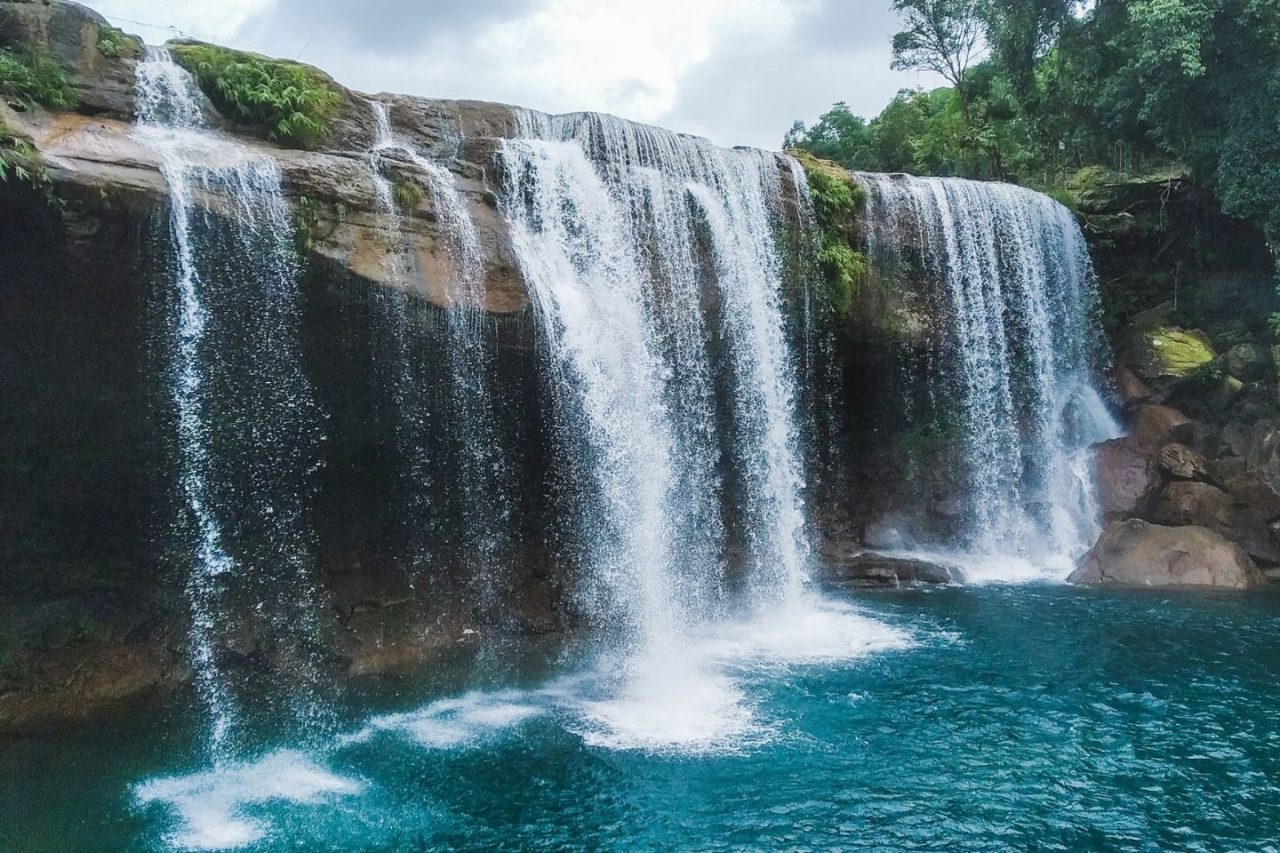
    The ‘Scotland of the East’, Shillong boasts of a pleasant atmosphere throughout the year. Refreshing greenery, mighty mountains and a scenic beauty that is unparalleled to any, makes Shillong a must visit destination.

    The capital city of Meghalaya, Shillong becomes all the more lively during monsoon with various exotic flowering plants and trees covering the entire hill station.The presence of umpteen numbers of waterfalls filling the air with a thundering sound of water also make the environment enchanting.

    Local festivals, specific to the monsoon season, provide a touch of vibrancy and excitement to the trip. There are many popular places to visit in Shillong. While in Shillong, you can also visit Cherrapunji which has been recognized as the wettest place in the world and is just 37 km away.

    Goa

    Goa, Monsoon Destination in India
    Goa, Monsoon Destination in India (courtesy: ashutoshsaraswat)

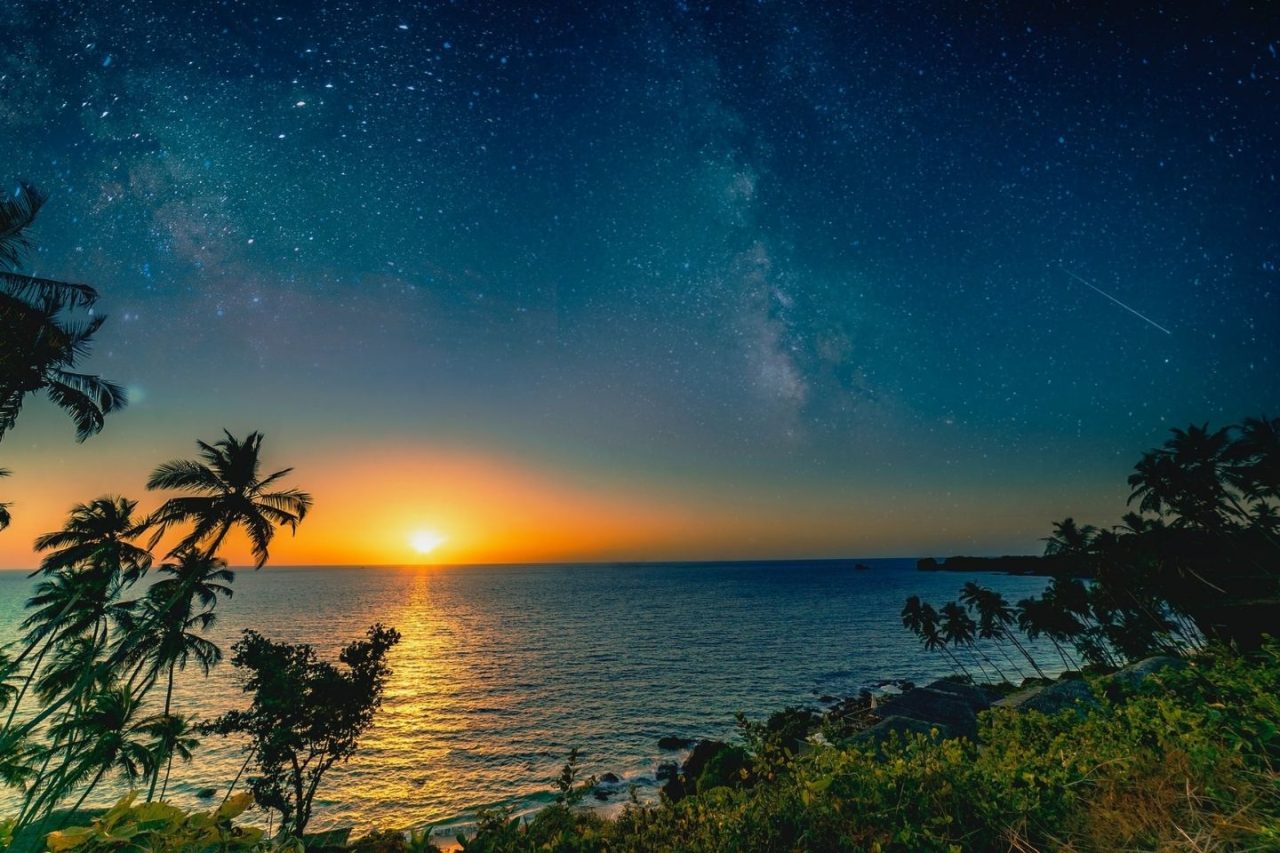
    Goa, a destination we all probably want to visit at least once, is equally charming during monsoon. Tourists usually visit Goa during winter season so as to just relax on the beaches, sunbathe and try out various water sports. 

    Visit Goa during monsoon and enjoy the soothing romantic atmosphere of the place. Spice plantation in Savoi is a must watch. The beauty of places like Mollem National Park and Cotigao Wildlife Sanctuary of Goa also increases by many folds during monsoon. There are many popular beaches in Goa that you can visit during the monsoon season.

    The Dudhsagar Falls which is located quite close to Mollem National Park is exceptionally beautiful during this time. Do not miss an enjoyable boat ride to the Mandovi River. Ages old Goan architecture also makes for something worth noticing.

    Although, during monsoon seafood will not be so easily available but wild mushrooms, lotus flower and escargot dishes present an altogether different culinary delight.

    Leh & Ladakh

    Leh- Ladakh, Monsoon Place to Visit in India
    Leh- Ladakh, Monsoon Place to Visit in India (courtesy: ashutoshsaraswat)

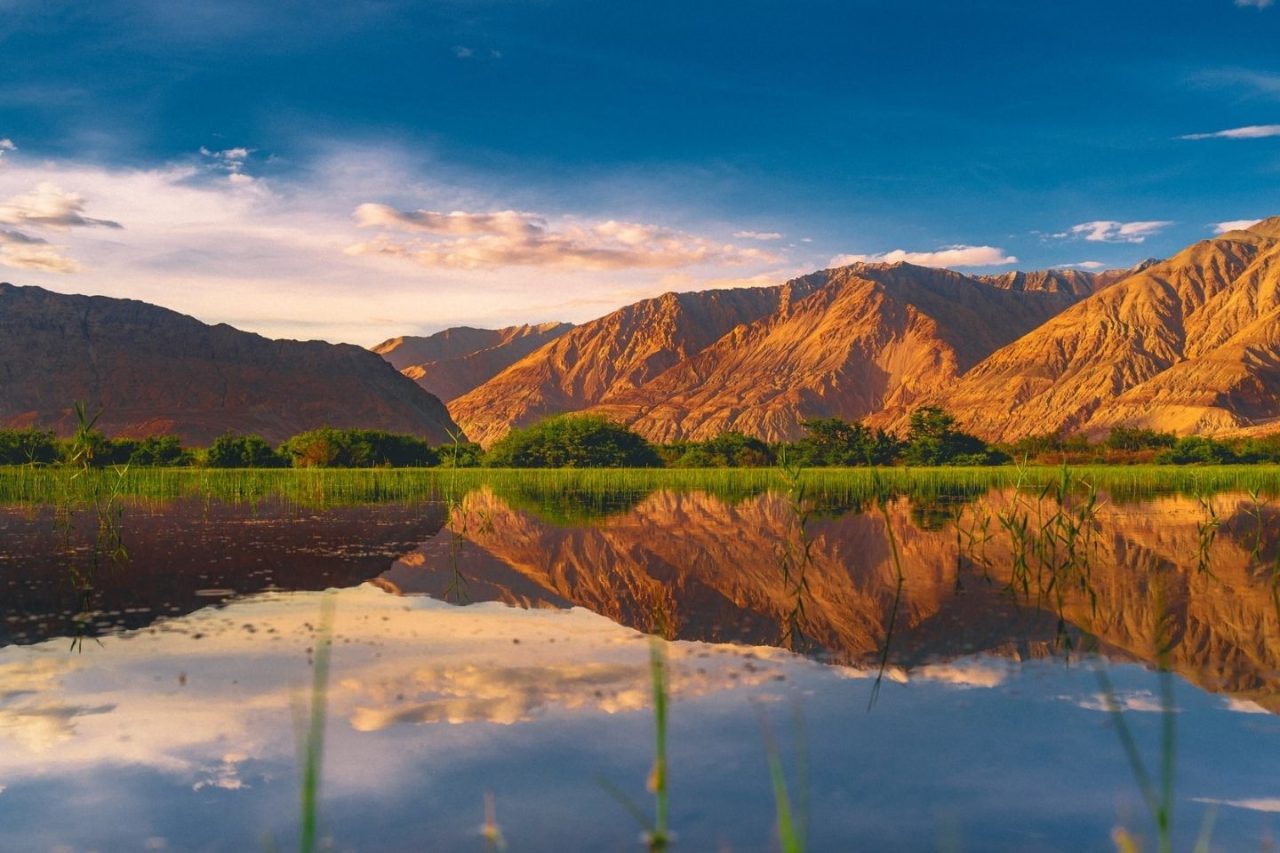
    Located at a height of 3,505 meters above sea level, Leh and Ladakh have almost everything to make a vacation perfect. With two of the world’s tallest mountain ranges and dense alpine forests around it, Leh Ladakh offers breathtaking scenic beauty. It also presents historical heritage with a touch of spirituality.

    One of the top Buddhist Monasteries in India, Shanti Stupa along with ancient Kali Temple add on to the beauty of the place. The Leh Palace which has been built in Tibetan Style is also worth capturing. While you are here, do not miss the view of sunset from the Thiksey Monastery.

    The best time to visit Leh and Ladakh is during the months of May to September. The rainfall received by this place is comparatively quite less.

    Periyar National Park

    Periyar National Park, Kerala, Monsoon Place in India
    Periyar National Park, Kerala, Monsoon Place in India (courtesy: janhavibhujabal)

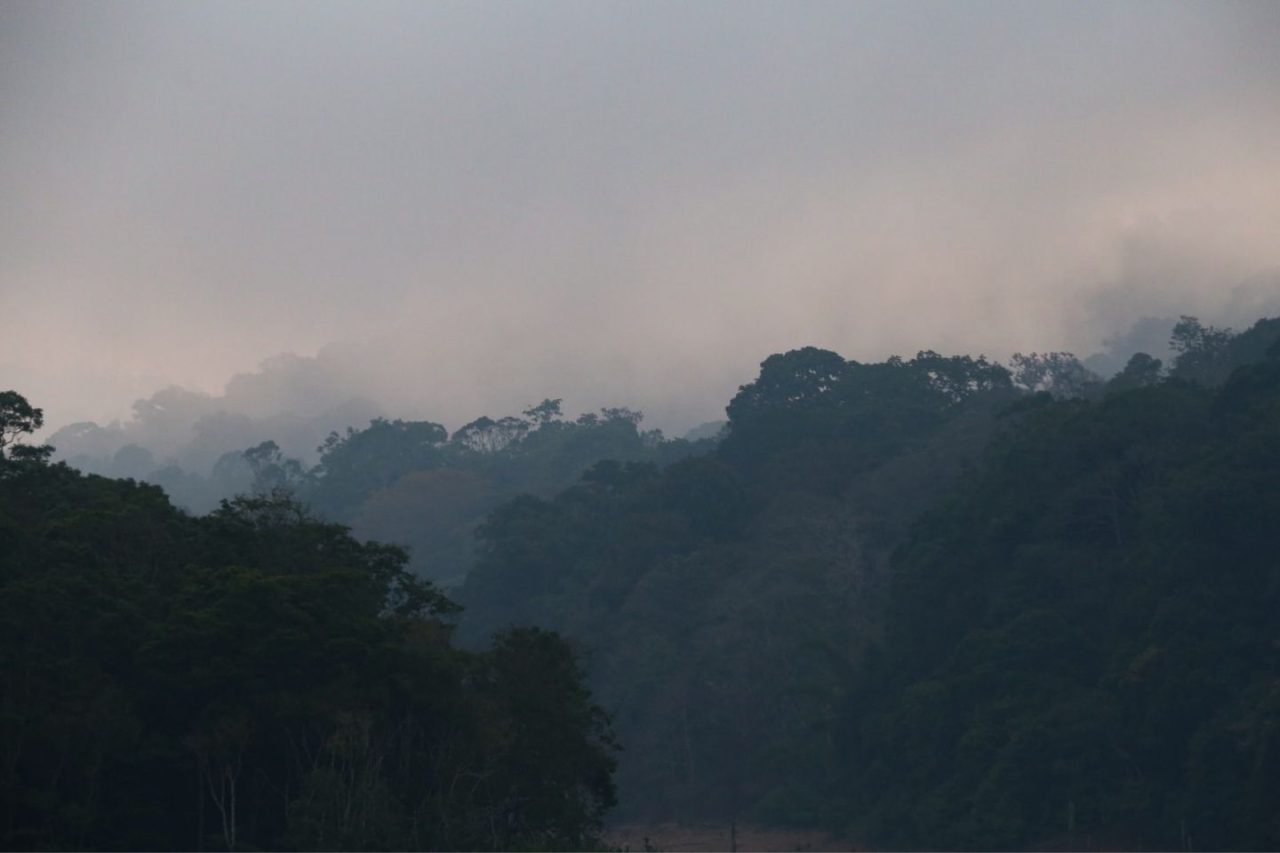
    Situated in South Kerala, Periyar National Park is one of the few wildlife reserves that remains open even during monsoon season. Although the park is accessible throughout the rainy season, the road safaris are replaced by boat safaris that take you through Periyar Lake.

    Periyar National Park is one of the prominent national parks to visit in India. It is a memorable experience to have beautiful glimpses of the exotic flora and of various animals as you take a soothing ride on the boat safari. The view of sunset from the lake is exceptionally captivating.

    The Valley of Flowers National Park

    The Valley of Flowers National Park, Uttarakhand, India Monsoon Destination
    The Valley of Flowers National Park, Uttarakhand, India Monsoon Destination (courtesy: santanudey)

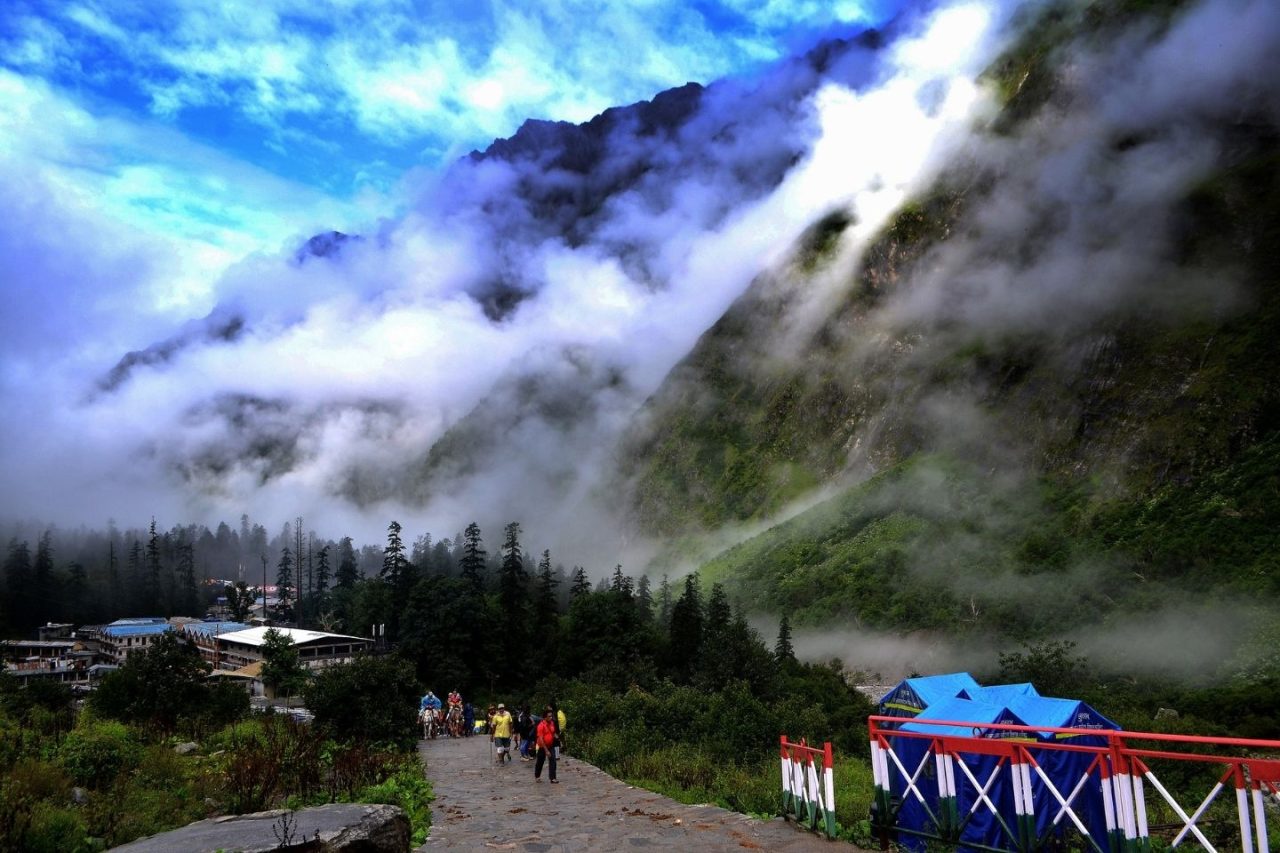
    Located in the state of Uttarakhand, the Valley of flowers which was declared as a national park in 1982, is one of the top monsoon destinations of the country. Bright colored flowers, lush green hills, a soothing environment with cloudy sky greets you at the valley.

    Covered with snow throughout the year, the valley can be accessed only during the months of April to October. The best time to visit is from July to August when the valley blossoms with a wide range of colorful and exotic flowers creating a setting which is nothing less than paradise.

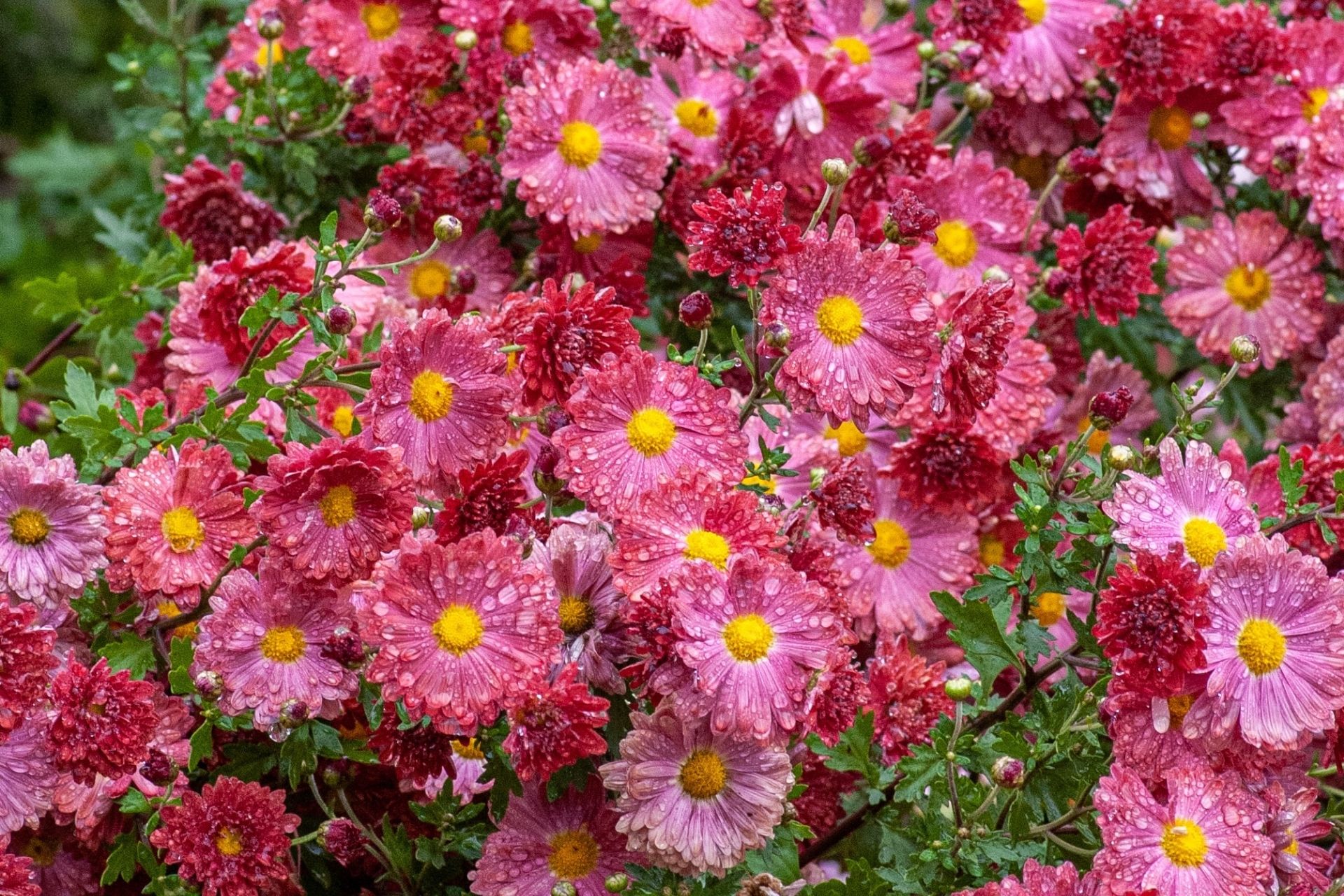
    With close to 300 species of alpine flowers, the valley appears as a serene bed of colors with majestic snow capped mountains in the background.

    Along with captivating natural settings, the valley is perfect for adventure lovers too. The 15 km steep mountain trail makes for an ideal trekking route.

  • Top 23 Wildlife Destinations in India

    If you are a lover of bio-diversity, plan a trip to India. India is one of the richest countries of the world as far as the wealth of bio-diversity is concerned. A study discloses that India along with 17 other countries is a home of about 70 percent of the biodiversity of the world.

    India is a perfect destination to all the people who have a longing to enrich their knowledge about best wild life of the world. The 441 sanctuaries, 80 national parks and 23 tiger reserves of the country make it a major attraction amongst the wild life lovers across the world.

    Some of the popular and must-visit wild life destinations of the country are:

    Bandhavgarh National Park: This national park is one of the finest national parks in the country and in the world because of the elaborate range of wild life species that it offers. This national park is located in Madhya Pradesh. Bandhavgarh National Park is popularly known as the jewel of Madhya Pradesh as far as the wildlife of the state is concerned. You can spend some leisure time with Royal Bengal Tigers, leopard, cheetals, sambhar, gaur and many more of such exquisite animal species.

    Bharatpur Bird Sanctuary: Bharatpur, a fortified city of Rajasthan, had an important role to play in the history of the state. If you like to spend time with butterflies, this is the ideal place to be. A total of 35 species of butterflies can be seen in Bharatpur Bird Sanctuary. Some of the popular species of butterflies found in the sanctuary include Pieridae, Nymphalidae, Fishing Cat, Jungle Cat, Jackal, Toddy Cat, Blue Bull, Porcupine and Red Faced monkey. This sanctuary is also has a wide variety of fishes as well. Some of the fishes found in this sanctuary are Chela, Danio, Catla, Oxygaster, Mystus, Channa, Clarias, Wallago and Ompok.

    Jim Corbett National Park: Jim Corbett is one of the most important wild life parks of the country. The wildlife population of the park is huge, which is why the national and international tourists flock to this place to enjoy the company of wild life. There are 50 mammal species, 580 bird species and 25 reptiles found in Jim Corbett National Park. Even the species of tress is an attraction in the park. More than 110 variety of tress are found in this national park. One can find tigers, elephants, sloth beer, jungle cat, Himalayan black beer, deer, rhesus monkeys and bison langurs amongst another animal species of the national park.

    Kanha National Park: This is another national park in Madhya Pradesh which is rich in Flora and Fauna. Kanha National Park is one of the nine tiger reserves of the country. Some of the animals found in this national park include Tiger, Leopard, Wild Dog, Barasingha, Jackal Hyena, Cheetal, Bear, Samber, Blue Bull, Four Horned antelope, Bison, Langoor and Barking Dear. There is a huge variety of migratory and resident birds also found in this national park.

    Kaziranga National Park: This park is nested on the banks of River Brahmaputra. Wild animals like Hog Deer, Leopard, Hog Badgers, Indian Elephants, Sloth Gibbons, Pythons, Jackal, Monitor Lizards, Wild Buffalo, etc. Apart from the delightful wildlife safari, the birding tour is another attraction of the national park. The birdwathcres from all over the world come to this place for a remarkable experience. Some of the bird species found in this park include Black shouldered Kite, Oriental Honey Buzzard, Brahminy Kite, White Tailed Eagle, Grey-Headed Fishing Eagle, Black Kite, Himlayan Griffon, etc.

    Sunderbans National Park: The beauty of Sundari Trees and a wide variety of wild life makes this place an amazing place to visit. Sunderbans National Park is a home to some of the finest species of animals including spotted deer, wild pigs, monkeys, white bellied eagles, herons, kingfishers and more than 270 Royal Bengal Tigers.

    Ranthanbore National Park: Ranthambore is one of the most popular wildlife destinations of the country. This national park of Rajasthan serves as the breeding ground to a number of wild life species. This national park serves as a home to wild animals like tigers, leopards, common langurs, Sambar deer, Striped Hyenas, Indian Wild Boar, Chinkara, Common Yellow Bats, Common Mongoose, Jungle Cats, Jackals and Caracals. This park also houses one of the best range of reptiles like Desert Monitor Lizards, Snub Nosed Marsh Crocodiles, Common Kraits, Banded Kraits, Cobras, Rat Snakes, Saw-scaled Vipers, Indian Pythons, and the Indian Chameleon. Some of the amphibious species can also be spotted in this national park.